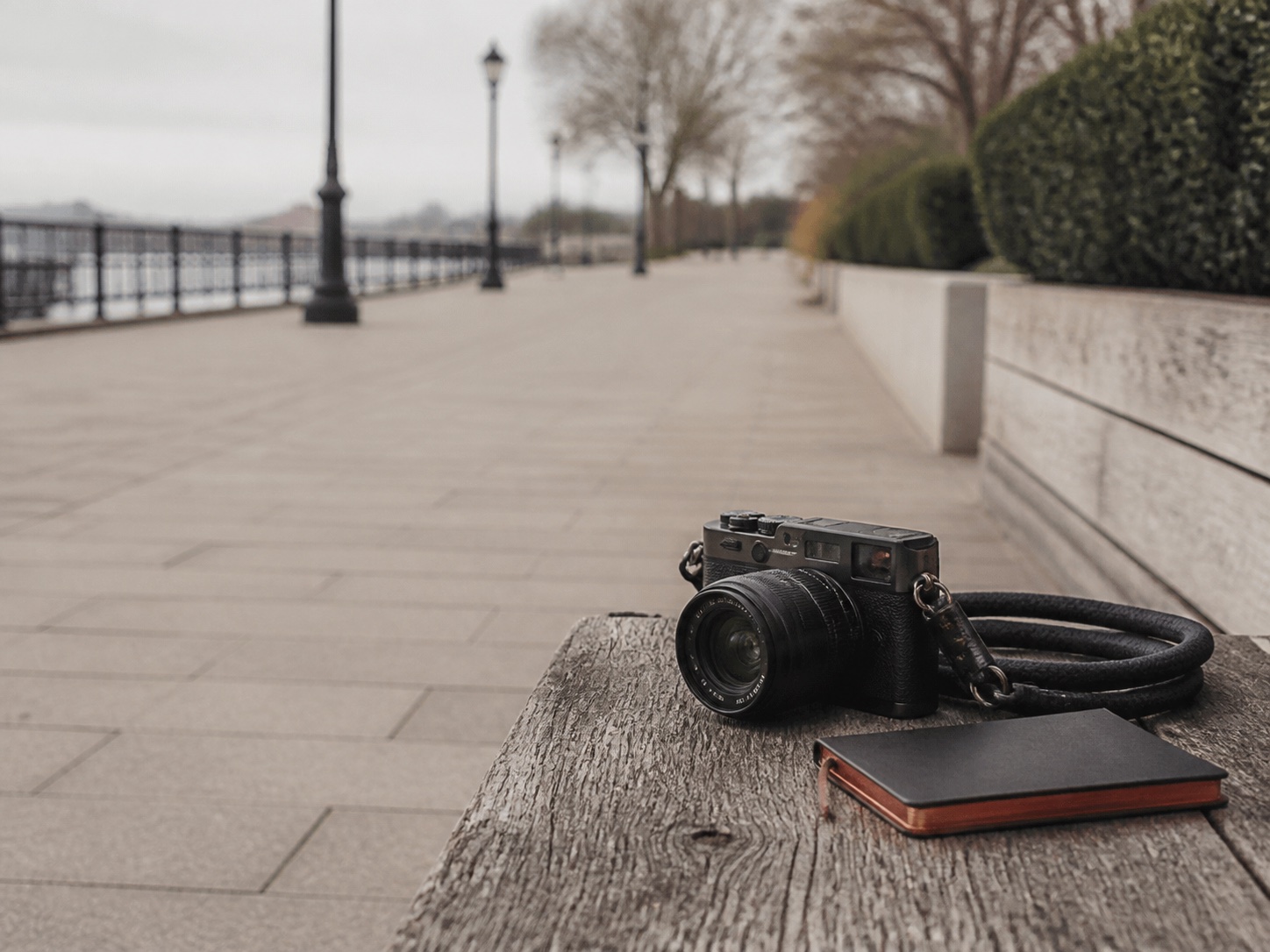
When the frame becomes difficult, it is easy to treat passers-by as obstacles. They are not. They are using the park, street, shrine, market, or path for the purpose it already serves. The photographer is the temporary guest.
Keep the footprint smaller than the idea.
Do not block a path with bags, stands, or a waiting group. Avoid loud direction in quiet places. Check location rules before setting up a tripod, lighting, or a commercial production. Permission to enter is not always permission to stage a shoot.
Change the time before blaming the crowd.
If an empty frame matters, timing is one of the strongest tools available. Weekday mornings, opening hours, weather transitions, and seasonal patterns can change the scene more effectively than asking the public to move.
Early timing is not a guarantee. A delivery vehicle, maintenance crew, or unexpected event can still own the frame. Build alternatives into the shot list.
“The public is not walking through your set. You are photographing inside their day.”
Gratitude is operational, not decorative.
Models, family members, location staff, and people who wait while a frame is made all contribute time. Thank them, explain what is happening, and stop when the work is imposing on the place.
That behavior protects more than one shoot. It influences whether the next photographer is welcomed.
Use post-production as a repair tool, not a permission slip.
Removal tools may help with a small accidental distraction in a still image. They are not a substitute for planning, rights review, or a clean base frame. Video makes this even more obvious: moving people, shadows, and reflections can be difficult or impossible to remove convincingly.
Before the shutter
- Check rules and commercial-use restrictions.
- Choose a low-impact time and a fallback composition.
- Keep equipment out of public movement.
- Explain the work to collaborators clearly.
- Leave the location easier than you found it.